

 by
by Influenza, commonly known as the flu, remains one of the most significant seasonal public health challenges in the United States. In 2025, flu-related searches, hospital visits, and healthcare system alerts have increased notably, drawing renewed attention to a disease that many people often underestimate. While influenza is not a new virus, its ability to mutate, spread rapidly, and strain healthcare systems makes it a persistent concern every year.
In the post-COVID era, influenza has regained prominence due to immunity gaps, changing social behaviors, and increased global travel. The 2025 flu season in the USA is being closely monitored by health authorities, not because it represents a global emergency, but because its early onset and strong intensity have led to higher-than-expected case numbers in several regions. Beyond public health, influenza has a direct and measurable impact on the healthcare system and the pharmaceutical industry. From antiviral drug demand and vaccine manufacturing to increased staffing needs in hospitals and pharmacies, flu season plays a critical role in shaping healthcare operations and pharma market dynamics. This comprehensive guide explains the flu situation in the USA in 2025, covering symptoms, treatment options, vaccines, prevention strategies, and its broader impact on healthcare and the pharmaceutical industry.
What Is Influenza (Flu)?
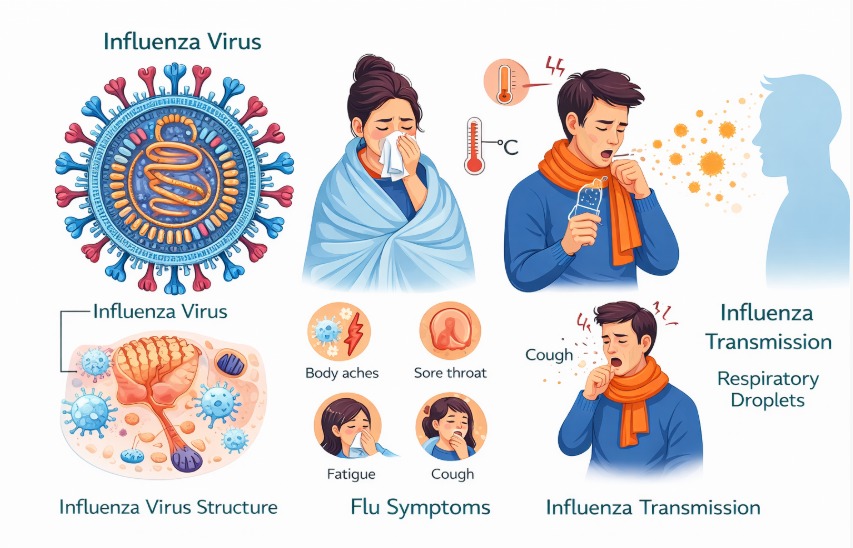
Influenza is a contagious respiratory illness caused by influenza viruses that infect the nose, throat, and lungs. Unlike the common cold, flu symptoms are usually more severe and can lead to serious complications, especially in high-risk individuals.
Types of Influenza Viruses
There are four main types of influenza viruses, but two are responsible for most seasonal outbreaks:
- Influenza A: The most common and severe type, responsible for large outbreaks and seasonal epidemics. It can infect both humans and animals and mutates frequently.
- Influenza B: Typically causes milder illness than Influenza A but can still lead to serious disease, particularly in children and older adults.
- Influenza C: Causes mild respiratory illness and does not lead to epidemics.
- Influenza D: Primarily affects cattle and is not known to infect humans.
Influenza spreads mainly through respiratory droplets when an infected person coughs, sneezes, or talks. It can also spread by touching contaminated surfaces and then touching the mouth, nose, or eyes.
Flu Situation in the USA (2025 Update)
In 2025, influenza activity in the United States began earlier than usual in several regions, contributing to increased public attention and online search trends. Health authorities have reported a steady rise in outpatient visits for flu-like illness, along with increased hospital admissions among vulnerable populations.
Several factors are contributing to the current flu situation:
- Reduced population immunity following years of altered exposure during the COVID-19 pandemic
- Increased social interaction and travel
- Circulating influenza strains with higher transmissibility
- Lower vaccination uptake in certain communities
It is important to note that influenza has not been declared a global health emergency by the World Health Organization (WHO). Instead, it is being managed as a seasonal but high-impact outbreak, monitored through established surveillance systems such as the CDC’s influenza tracking programs.
Flu Symptoms in 2025
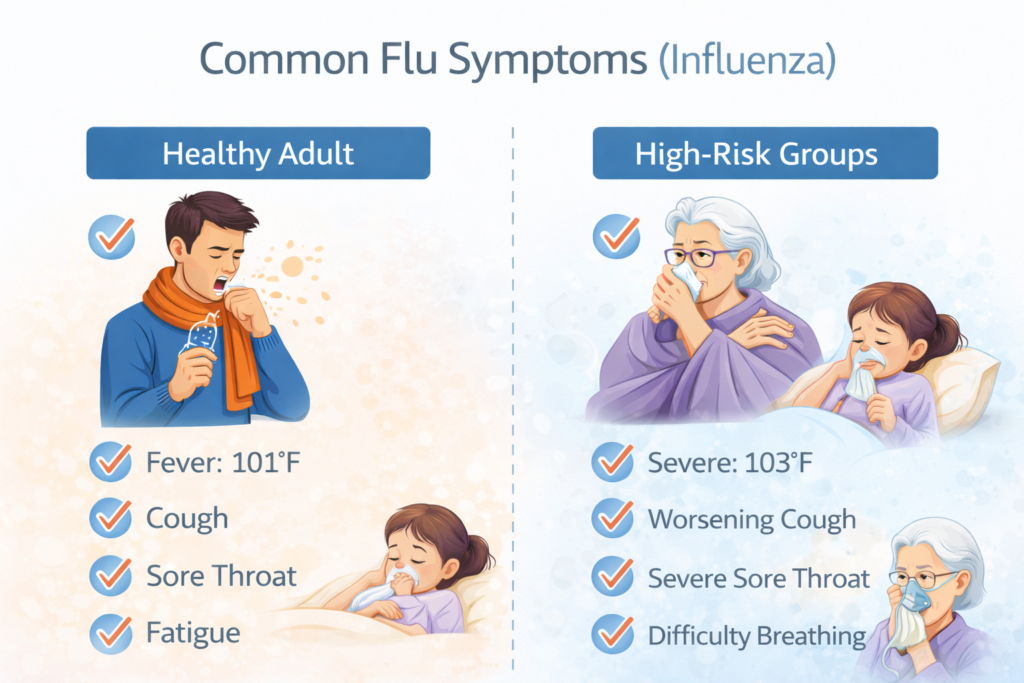
Flu symptoms typically appear suddenly and can range from mild to severe. While many people recover within one to two weeks, others may develop serious complications.
Common Flu Symptoms
- Fever or chills
- Cough
- Sore throat
- Runny or stuffy nose
- Muscle or body aches
- Headache
- Fatigue or extreme tiredness
Severe Symptoms Requiring Medical Attention
- Difficulty breathing or shortness of breath
- Chest pain or persistent pressure
- Confusion or sudden dizziness
- Severe weakness
- Dehydration
Flu Symptoms in Children
Children may experience additional symptoms such as vomiting, diarrhea, ear pain, and high fever.
High-Risk Groups
- Adults aged 65 and older
- Pregnant women
- Young children
- People with chronic conditions such as asthma, diabetes, or heart disease
- Individuals with weakened immune systems
Flu vs COVID-19 in 2025
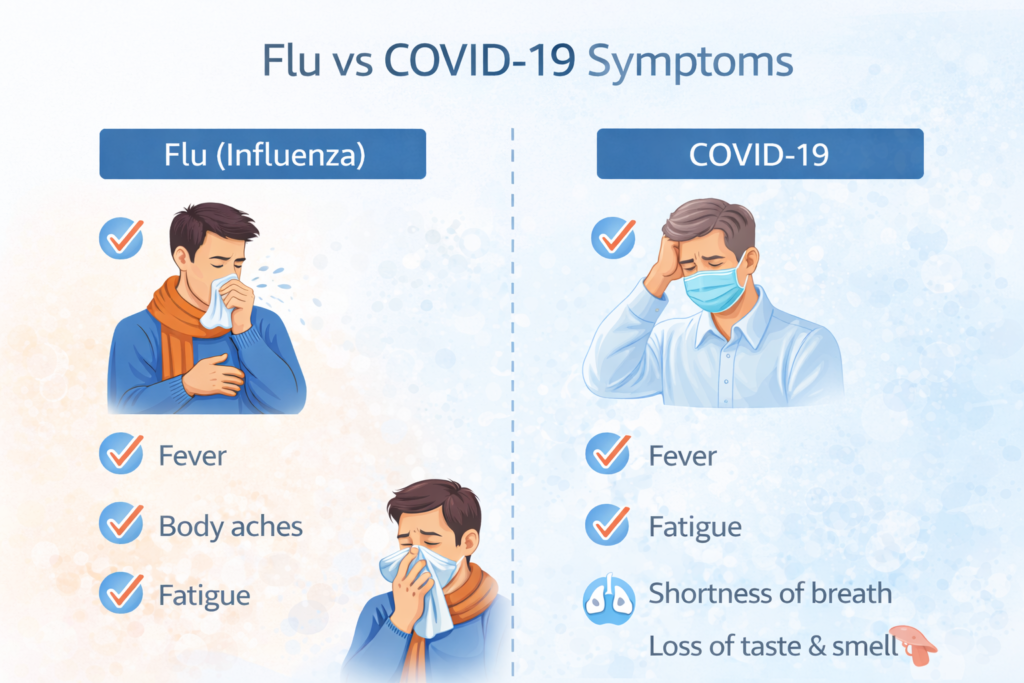
Although COVID-19 is no longer the global emergency it once was, it continues to circulate alongside influenza, leading to confusion among patients.
Key Differences
- Flu symptoms usually appear suddenly, while COVID-19 symptoms may develop gradually.
- Loss of taste and smell is more strongly associated with COVID-19.
- Flu has well-established antiviral treatments, while COVID-19 treatment options differ.
Because symptoms can overlap, testing remains important for accurate diagnosis and appropriate treatment.
How Influenza Is Diagnosed in the USA
Diagnosis is based on clinical symptoms, patient history, and laboratory testing when needed.
Diagnostic Methods
- Rapid Influenza Diagnostic Tests (RIDTs)
- Molecular tests such as PCR
- Clinical evaluation during peak flu season
Early diagnosis is crucial because antiviral medications are most effective when started within 48 hours of symptom onset.
Flu Treatment Options in the USA (2025)
Antiviral Medications
Antiviral drugs are the primary treatment for influenza and can reduce symptom severity and duration.
Common antivirals include:
- Oseltamivir (Tamiflu)
- Zanamivir
- Baloxavir marboxil
These medications are especially recommended for high-risk individuals and hospitalized patients.
Supportive Care
- Adequate rest
- Hydration
- Fever and pain management
Antibiotics and Flu
Antibiotics do not treat influenza but may be used if secondary bacterial infections develop.
Flu Vaccines in the USA 2025
Vaccination remains the most effective way to prevent influenza and reduce severe outcomes.
Why Flu Vaccines Change Every Year
Influenza viruses mutate rapidly, requiring annual updates to vaccine formulations. Vaccine strains are selected based on global surveillance data.
Types of Flu Vaccines
- Inactivated flu vaccines
- Live attenuated nasal spray vaccines
- High-dose vaccines for older adults
Effectiveness and Safety
Flu vaccines may not prevent all infections, but they significantly reduce hospitalizations, severe illness, and flu-related deaths. Side effects are generally mild and temporary.
Prevention Strategies for Influenza
Preventing influenza requires a combination of personal and public health measures:
- Annual vaccination
- Frequent hand washing
- Respiratory hygiene
- Staying home when sick
- Protecting high-risk individuals
Workplaces, schools, and healthcare facilities play a key role in reducing transmission during flu season.
Impact of Flu Season on the U.S. Healthcare System
Each flu season places considerable strain on the healthcare system.
Key Impacts
- Increased emergency department visits
- Higher hospital and ICU admissions
- Staffing shortages due to illness
- Increased healthcare costs
Hospitals and clinics prepare in advance by expanding capacity, improving triage protocols, and promoting vaccination.
Impact of Influenza on the Pharma Industry
Influenza significantly influences pharmaceutical manufacturing, supply chains, and market demand.
Increased Demand for
- Antiviral medications
- Flu vaccines
- Diagnostic kits
Pharmaceutical companies ramp up production months in advance to meet seasonal demand. Research and development efforts continue toward improved vaccines, longer-lasting protection, and universal flu vaccine candidates.
Rising Demand for Pharma & Healthcare Jobs
Flu season often leads to increased hiring across healthcare and pharmaceutical sectors.
High-Demand Roles
- Pharmacists and pharmacy technicians
- Nurses and clinical staff
- Quality control and manufacturing professionals
- Medical representatives
- Clinical research personnel
Seasonal surges create both temporary and long-term employment opportunities.
Role of Pharmacists, Medical Representatives & Clinical Teams
Pharmacists
- Administer flu vaccines
- Educate patients
- Manage antiviral medications
Medical Representatives
- Support ethical promotion of flu treatments and vaccines
- Provide scientific information to healthcare professionals
Clinical Teams
- Monitor flu trends
- Conduct vaccine effectiveness studies
- Support public health surveillance
Public Health Response and Government Preparedness
Public health agencies such as the CDC coordinate national influenza preparedness efforts, including surveillance, vaccination campaigns, and public awareness programs. Collaboration with pharmaceutical companies ensures timely vaccine distribution and medicine availability.
Common Myths and Facts About Flu
Myth: The flu is just a bad cold
Fact: Flu can cause serious illness and death
Myth: Flu vaccines cause flu
Fact: Flu vaccines cannot cause influenza
Myth: Healthy people don’t need vaccination
Fact: Vaccination helps protect both individuals and communities
What to Do If You Have Flu Symptoms
- Stay home and rest
- Seek medical advice if symptoms worsen
- Avoid contact with others
- Follow prescribed treatment
- Protect vulnerable family members
Future Outlook: Influenza Management Beyond 2025
Future influenza control will rely on improved vaccines, better surveillance, and integration of digital health technologies. Universal flu vaccines and AI-driven outbreak prediction models are promising developments that could reshape flu management in the coming years.
Final Takeaway
Influenza remains a serious seasonal health challenge in the United States in 2025. While it is not a global emergency, its impact on individuals, healthcare systems, and the pharmaceutical industry is significant. Vaccination, early treatment, and public awareness are essential for reducing flu-related complications.
For the pharma and healthcare sectors, flu season highlights the importance of preparedness, innovation, and skilled professionals. As healthcare demands evolve, influenza will continue to shape medical practice, industry priorities, and career opportunities well into the future.
Medical Disclaimer
This article is for informational purposes only and does not substitute professional medical advice. Always consult a qualified healthcare provider for diagnosis and treatment.
Frequently Asked Questions (FAQs)
Q1. Is influenza considered an outbreak in the USA in 2025?
Answer: Influenza is experiencing a strong seasonal surge in parts of the USA in 2025. Health agencies describe it as a seasonal outbreak, not a global emergency.
Q2. Has the WHO declared influenza an emergency in 2025?
Answer: No. The World Health Organization has not declared influenza a global emergency. It remains a monitored seasonal disease.
Q3. What are the most common flu symptoms in 2025?
Answer: Common symptoms include fever, body aches, cough, sore throat, fatigue, headache, and chills. Severe symptoms require medical attention.
Q4. What medicines are used to treat influenza in the USA?
Answer: Antiviral drugs such as oseltamivir (Tamiflu), zanamivir, and baloxavir are commonly used, especially when started early.
Q5. Is the flu vaccine effective in 2025?
Answer: Yes. While effectiveness varies by strain, flu vaccines significantly reduce severe illness, hospitalization, and flu-related deaths.
Q6. Who should get the flu vaccine?
Answer: Annual vaccination is recommended for most people, especially elderly adults, children, pregnant women, and those with chronic conditions.
Q7. How does flu season impact the pharma industry?
Answer: Flu season increases demand for vaccines, antivirals, diagnostics, and creates hiring opportunities across the pharma and healthcare sectors.