Organization of skeletal muscle
 by
by Skeletal muscles are voluntary muscle tissue that comprise a significant portion of the human body’s musculature. They are responsible for walking, running, lifting, and maintaining …

Stay Ahead in Pharmacy
Skeletal muscles are voluntary muscle tissue that comprise a significant portion of the human body’s musculature. They are responsible for walking, running, lifting, and maintaining …
The skeletal system can be divided into two major components: the axial skeleton and the appendicular skeleton. Each of these components comprises a set of …
A bone is a rigid organ that constitutes part of the vertebrate skeleton. It provides structural support, protects internal organs, facilitates movement, stores minerals, and …
The skeletal system is a complex structure in the human body that provides support, protection and facilitates movement. It is divided into two main divisions: …
The skin, also known as the integumentary system, is the largest organ in the human body. It is a protective barrier between the internal organs …
Qualitative tests for identifying the presence of phenol often involve specific reactions that highlight its characteristic properties. Here are the main common qualitative tests for …
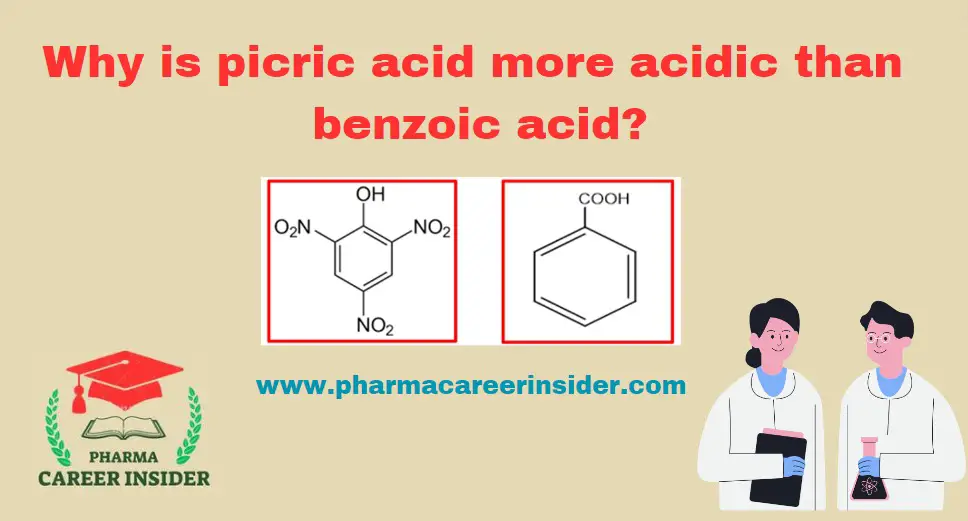
The acidity of carboxylic acids is generally attributed to the stability of the conjugate base (carboxylate ion) formed after the loss of a proton. In …
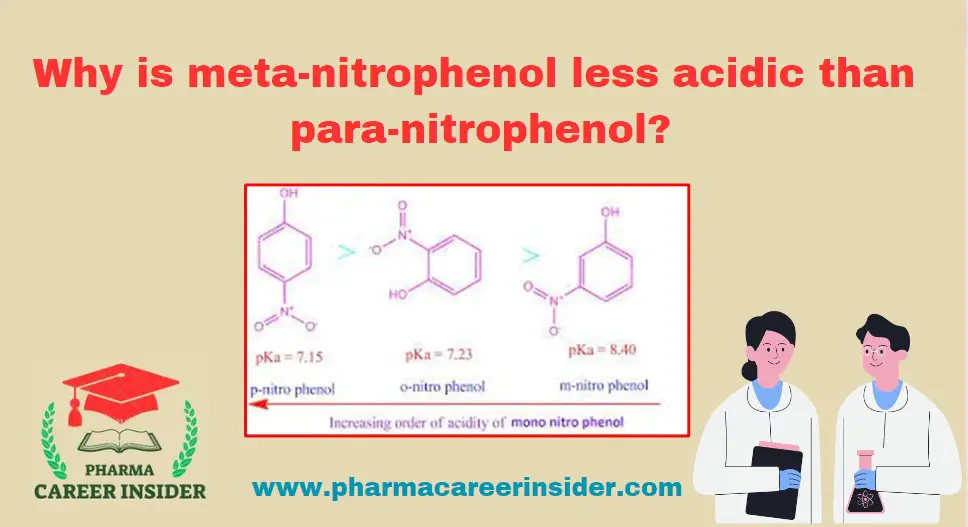
The position of the substituent on the aromatic ring influences the acidity of substituted phenols. In the case of meta-nitrophenol (m-nitrophenol) and para-nitrophenol (p-nitrophenol), the …
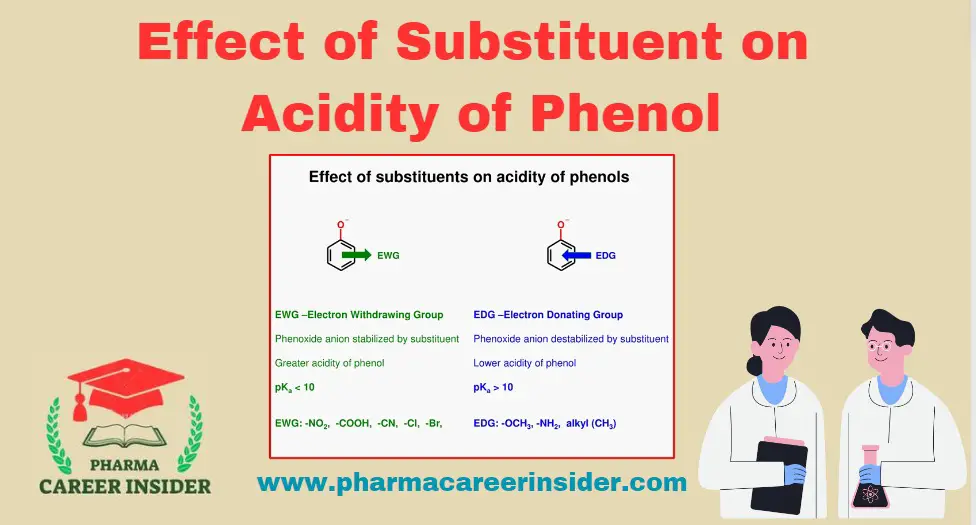
Introduction: The acidity of phenol is influenced by the nature and position of substituents on the aromatic ring. Substituents can either enhance or diminish the …
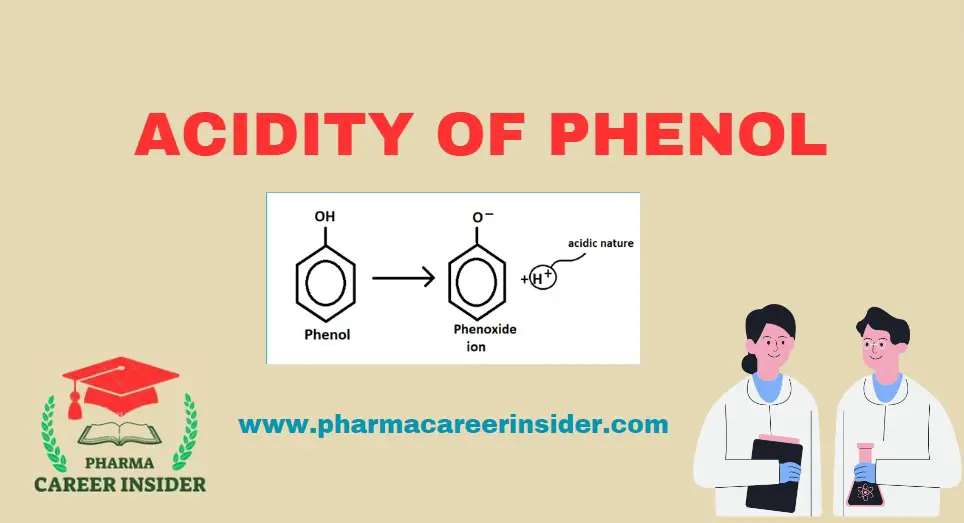
Introduction: Phenols are organic compounds containing a benzene ring bonded to a hydroxyl group. They are also known as carbolic acids. Phenols react with active …