
 by
by Type 2 diabetes is one of the fastest-growing chronic health conditions worldwide, affecting millions of adults—many of whom are unaware they have it. Unlike sudden illnesses, type 2 diabetes develops slowly, often showing subtle symptoms that are easy to ignore or misinterpret as everyday fatigue, stress, or aging.
Recognizing the early warning signs of type 2 diabetes can make a critical difference. Early detection allows timely lifestyle changes and medical guidance, significantly reducing the risk of serious complications such as heart disease, kidney damage, vision loss, and nerve problems.
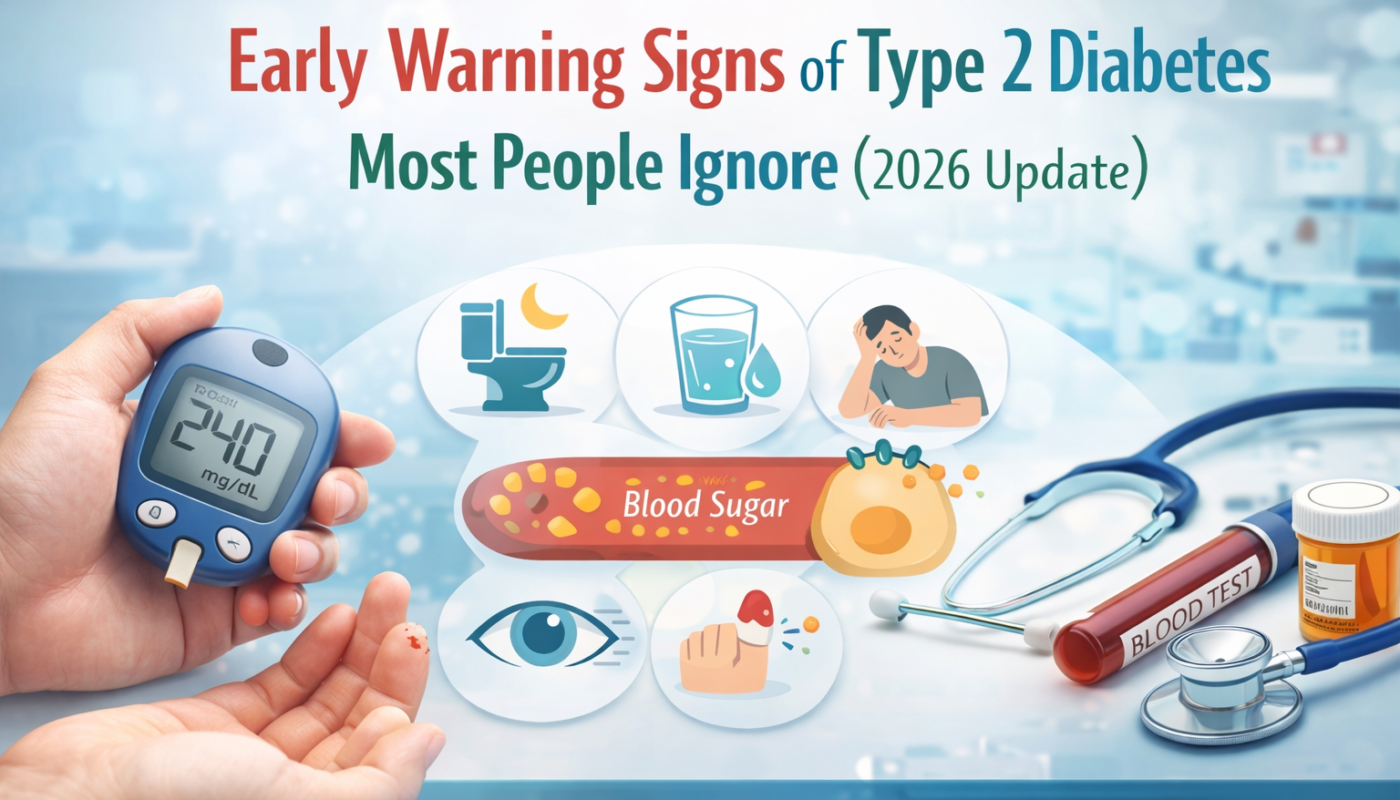
This comprehensive 2026 guide explains the early signs of type 2 diabetes that most people ignore, who is at risk, when to seek medical evaluation, and how early action can protect long-term health.
Understanding Type 2 Diabetes
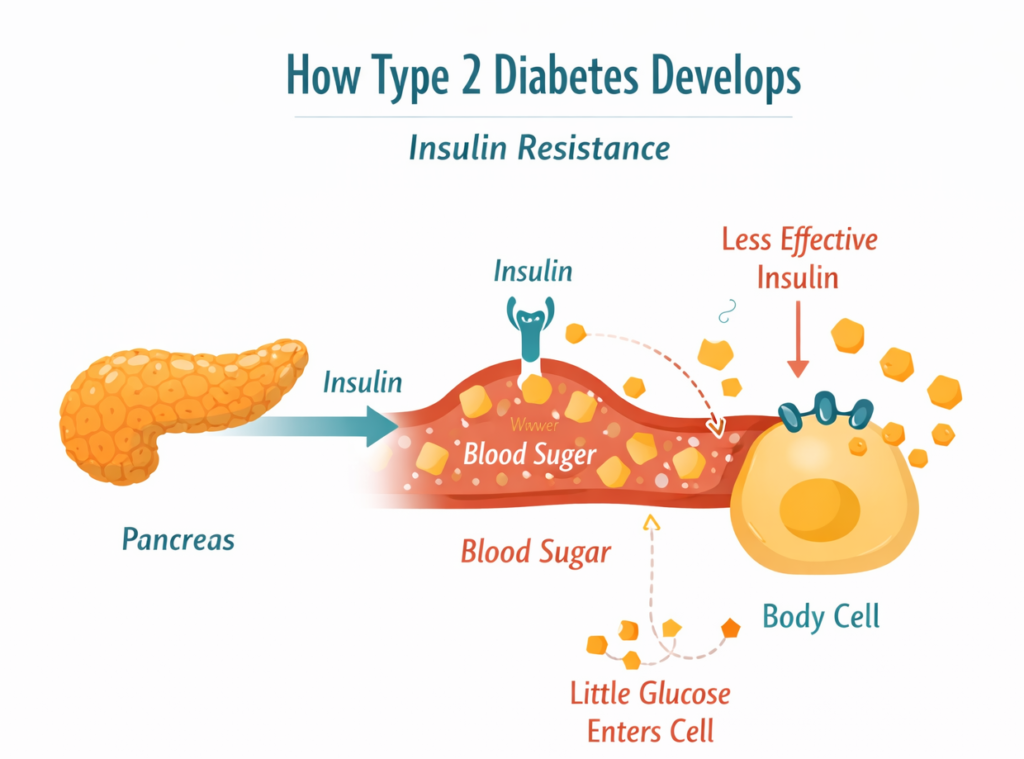
Type 2 diabetes is a metabolic disorder in which the body becomes insulin-resistant or does not produce enough insulin to maintain normal blood glucose levels. Insulin is a hormone that helps glucose move from the bloodstream into cells, where it is used for energy.
When insulin does not work effectively, blood glucose levels rise. Over time, persistently high blood sugar levels can damage blood vessels, nerves, and vital organs.
Type 1 vs Type 2 Diabetes (Brief Overview)
- Type 1 diabetes is an autoimmune condition where the body produces little or no insulin.
- Type 2 diabetes is largely linked to lifestyle, genetics, and aging, and it accounts for the majority of diabetes cases globally.
The prevalence of type 2 diabetes continues to rise due to sedentary lifestyles, poor dietary habits, increasing obesity rates, and chronic stress.
Why Early Warning Signs Are Commonly Overlooked
One of the biggest challenges with type 2 diabetes is that its symptoms often develop gradually. Many people live with elevated blood sugar levels for years before receiving a diagnosis.
Common reasons early signs are ignored include:
- Symptoms appear mild or inconsistent
- Fatigue and thirst are blamed on stress or busy schedules
- Weight changes are attributed to diet or aging
- Younger adults believe diabetes only affects older people
- Lack of routine health screening
Ignoring early symptoms can allow the condition to progress silently, increasing the risk of long-term complications.
Early Warning Signs of Type 2 Diabetes Most People Ignore
Frequent Urination (Polyuria)
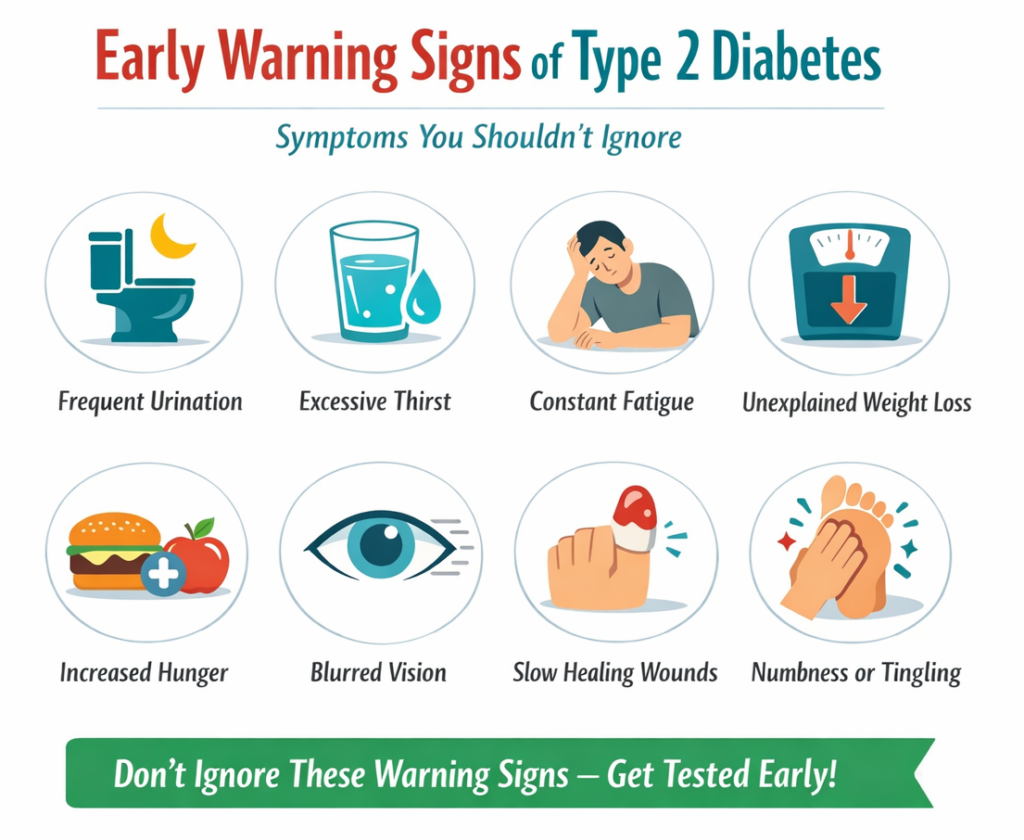
One of the earliest signs of type 2 diabetes is frequent urination, particularly at night. When blood sugar levels are high, the kidneys work harder to filter and remove excess glucose, leading to increased urine production.
If you find yourself waking multiple times at night to urinate without increasing fluid intake, it may be a warning sign.
Excessive Thirst (Polydipsia)
Frequent urination leads to dehydration, which triggers persistent thirst. Drinking water may provide temporary relief, but the thirst often returns quickly.
Constant thirst that does not improve with adequate hydration should not be ignored.
Unexplained Fatigue and Weakness
When glucose cannot efficiently enter the cells, the body lacks the energy it needs for daily activities. This results in constant tiredness, even after adequate sleep.
Fatigue related to diabetes is often described as persistent and disproportionate to activity levels.
Increased Hunger (Polyphagia)
Despite eating regular meals, people with early type 2 diabetes may experience frequent hunger. This occurs because cells are not receiving enough glucose for energy, signaling the brain to request more food.
This cycle of eating without satisfaction is a key metabolic warning sign.
Unintended Weight Changes
Unexpected weight loss—despite eating normally—can occur in early diabetes as the body begins breaking down fat and muscle for energy. In other cases, insulin resistance contributes to weight gain, particularly around the abdomen.
Both unexplained weight loss and increasing belly fat may indicate an underlying blood sugar imbalance.
Blurred Vision
High blood sugar levels cause fluid shifts in the eye’s lens, affecting its ability to focus. This may result in intermittent or persistent blurred vision.
Although vision may temporarily improve when blood sugar stabilizes, recurring visual changes require medical evaluation.
Slow Healing of Cuts and Wounds
Elevated blood sugar impairs blood circulation and immune response, slowing the healing process. Minor cuts, bruises, or infections that take longer than usual to heal may be an early sign of diabetes.
Tingling or Numbness in Hands and Feet
Early nerve damage, known as diabetic neuropathy, can cause tingling, numbness, or a burning sensation—usually starting in the hands or feet.
These sensations may come and go initially, but can worsen if blood sugar levels remain uncontrolled.
Recurrent Infections
People with undiagnosed type 2 diabetes may experience frequent infections, including skin infections, gum disease, urinary tract infections, or fungal infections.
High glucose levels create an environment that supports bacterial and fungal growth while weakening immune defenses.
Early Signs of Type 2 Diabetes in Men
In men, early diabetes symptoms may include:
- Reduced muscle strength and endurance
- Increased abdominal fat
- Fatigue affects physical performance
- Sexual health concerns linked to blood vessel and nerve changes
- Elevated risk of cardiovascular symptoms
Men may delay medical consultation, making awareness especially important.
Early Signs of Type 2 Diabetes in Women
Women may experience additional or distinct early signs, such as:
- Recurrent vaginal or urinary tract infections
- Hormonal imbalances affecting menstrual cycles
- Association with polycystic ovary syndrome (PCOS)
- Increased risk during or after pregnancy
- Persistent fatigue and weight fluctuations
Early detection is essential to protect reproductive and overall health.
Who Is at Higher Risk of Developing Type 2 Diabetes?
Certain factors significantly increase the risk of developing type 2 diabetes:
- Family history of diabetes
- Overweight or obesity
- Sedentary lifestyle
- Poor dietary habits
- Age over 35–40 years
- Ethnic predisposition
- History of gestational diabetes
- High blood pressure or abnormal cholesterol levels
- Chronic stress and sleep deprivation
Having multiple risk factors further increases the likelihood of developing the condition.
When Should You Seek Medical Evaluation?
Medical evaluation is recommended if you experience:
- Two or more persistent symptoms simultaneously
- Symptoms lasting several weeks
- A family history of diabetes combined with lifestyle risk factors
- Unexplained fatigue or weight changes
Routine screening is especially important for individuals with risk factors, even in the absence of noticeable symptoms.
How Type 2 Diabetes Is Diagnosed
Healthcare professionals use standardized tests to diagnose diabetes:
- Fasting blood glucose test – measures blood sugar after fasting
- HbA1c test – reflects average blood sugar over the past 2–3 months
- Oral glucose tolerance test – evaluates blood sugar response after glucose intake
Early testing allows prompt intervention before complications develop.
Can Type 2 Diabetes Be Prevented or Delayed?
While genetics play a role, many cases of type 2 diabetes can be prevented or delayed through lifestyle modifications:
Healthy Nutrition
- Balanced meals with whole foods
- Reduced intake of refined sugars and processed carbohydrates
- Adequate fiber consumption
Physical Activity
- Regular moderate exercise
- Improved insulin sensitivity
- Weight management support
Weight Control
- Maintaining a healthy body weight
- Reducing abdominal fat
Stress Management and Sleep
- Chronic stress affects glucose metabolism
- Adequate sleep supports hormonal balance
Small, consistent changes can significantly reduce diabetes risk.
Long-Term Complications of Ignoring Early Symptoms
If left untreated, type 2 diabetes can lead to serious complications, including:
- Cardiovascular disease
- Kidney damage
- Vision impairment or blindness
- Nerve damage
- Foot complications
- Reduced quality of life
Early awareness and intervention greatly reduce these risks.
Living Well After Early Detection
Early diagnosis empowers individuals to take control of their health through:
- Regular monitoring
- Medical guidance adherence
- Lifestyle adjustments
- Education and self-management
- Mental and emotional well-being support
With proper management, many people live healthy, active lives after early detection.
Final Thoughts
Type 2 diabetes does not develop overnight. Its early warning signs often appear quietly, making them easy to dismiss. However, ignoring these signals can lead to long-term health consequences. Recognizing the early warning signs of type 2 diabetes, seeking timely medical evaluation, and adopting preventive habits can dramatically improve outcomes. Awareness today can protect your health for years to come.
Frequently Asked Questions (FAQ)
What are the very first signs of type 2 diabetes?
The earliest signs of type 2 diabetes often include frequent urination, excessive thirst, constant fatigue, increased hunger, and blurred vision. These symptoms develop gradually and may be mild at first, which is why many people ignore them until blood sugar levels rise significantly.
Can you have type 2 diabetes without noticeable symptoms?
Yes, type 2 diabetes can develop silently. Many people have high blood sugar for years without obvious symptoms. Routine blood tests, such as fasting glucose or HbA1c, are often the only way to detect it early.
At what blood sugar level does type 2 diabetes start?
Type 2 diabetes is typically diagnosed when fasting blood glucose is 126 mg/dL (7.0 mmol/L) or higher on two separate tests, or when HbA1c is 6.5% or above. A healthcare provider confirms the diagnosis through standardized testing.
Can type 2 diabetes be reversed if detected early?
Early-stage type 2 diabetes can often be controlled and, in some cases, put into remission through lifestyle changes under medical supervision.
Are early diabetes symptoms the same for everyone?
No. Symptoms vary based on genetics, lifestyle, age, and overall health.
How do I know if I am prediabetic or diabetic?
Prediabetes often shows no clear symptoms but may include mild fatigue or increased thirst. Blood tests are required to differentiate between prediabetes and diabetes. Early screening is recommended for adults over 35 or those with risk factors.
At what age should adults start diabetes screening?
Screening is generally recommended from age 35 onward, or earlier for individuals with risk factors.
Can early type 2 diabetes be reversed naturally?
In early stages, type 2 diabetes can sometimes go into remission through weight loss, healthy eating, regular physical activity, and medical supervision. However, lifestyle changes should always be guided by a healthcare professional.
Can lifestyle changes alone manage early diabetes?
Lifestyle changes play a critical role, but medical guidance is essential for safe and effective management.