 by
by Alpha-gal Syndrome (AGS) is a unique and increasingly recognized allergic condition that develops after a tick bite. Unlike common food allergies that cause immediate reactions, Alpha-gal Syndrome is characterized by delayed allergic responses, often appearing 2 to 6 hours after consuming mammalian meat or products derived from mammals.
The condition occurs when the immune system becomes sensitized to a carbohydrate molecule known as galactose-α-1,3-galactose (alpha-gal), which is present in most mammals but absent in humans and primates. After sensitization, exposure to red meat, dairy, gelatin, or mammal-based products can trigger mild to severe allergic reactions.
This comprehensive guide explains everything about Alpha-gal Syndrome—including causes, mechanisms, symptoms, lifestyle restrictions, diagnosis, treatment options, prevention tips, and long-term outlook. This 2500-word article is perfect for educational healthcare websites and SEO-optimized blogs.
What Is Alpha-gal Syndrome?
Alpha-gal Syndrome is a delayed allergic response triggered by exposure to alpha-gal, a carbohydrate present in mammalian tissues. The condition is unusual because:
- The allergen is a sugar, not a protein.
- Reactions occur hours after eating, not immediately.
- The trigger is a tick bite, not direct food exposure.
Individuals with AGS often experience allergic reactions after eating:
- Beef
- Pork
- Lamb
- Venison
- Rabbit
- Goat
- Organ meats
- Gelatin or dairy (in some cases)
This allergy can affect day-to-day food choices, medical treatments, and lifestyle habits.

How a Tick Bite Causes Alpha-gal Syndrome
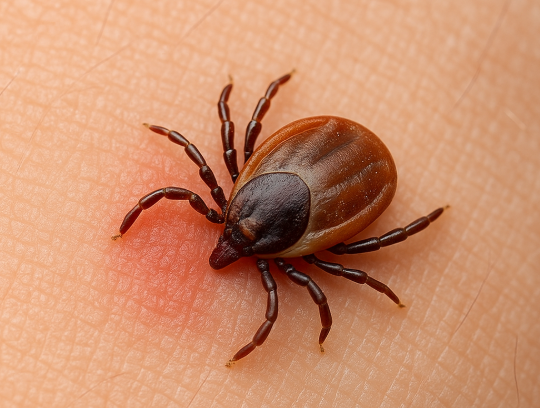
Alpha-gal syndrome begins when a tick bites the skin and introduces the alpha-gal molecule into the human bloodstream. This activates the immune system to produce IgE antibodies specifically targeting alpha-gal.
The process can be understood in three stages:
- 1. Tick Bite Introduction: The tick’s saliva contains alpha-gal. When it bites, this sugar molecule enters the bloodstream.
- 2. Immune Sensitization: The body recognizes alpha-gal as a threat and develops IgE antibodies against it.
- 3. Delayed Allergic Reaction: When the person later consumes mammalian meat or products containing alpha-gal, the immune system reacts, resulting in delayed allergy symptoms ranging from mild itching to severe anaphylaxis.
This unique delayed pattern makes AGS difficult to diagnose without proper awareness.
Symptoms of Alpha-gal Syndrome
One of the most challenging aspects of Alpha-gal Syndrome is the delayed onset of symptoms. Most individuals experience reactions several hours after consuming mammalian products.
Common Symptoms Include:
- Itching or hives
- Red rashes across the body
- Swelling of the lips, face, or throat
- Stomach pain or cramping
- Nausea or vomiting
- Diarrhoea
- Dizziness or fainting
- Difficulty breathing or wheezing
- Drop in blood pressure
- Severe cases may lead to anaphylaxis
The delayed nature—especially when symptoms appear in the middle of the night after a dinner containing red meat—often leads to misdiagnosis.

Foods and Products That Trigger Alpha-gal Reactions
Alpha-gal is found in all non-primate mammals, which means individuals with AGS must avoid a broad category of foods and ingredients.
High-Risk Foods to Avoid
- Beef
- Pork
- Lamb and mutton
- Venison
- Rabbit
- Goat meat
- Organ meats (liver, kidney, heart)
- Bacon, ham, sausage, salami
- Meat broths and fat-based gravies
Products That May Contain Alpha-gal
- Gelatin (in desserts, marshmallows, gummy candies, capsules)
- Bone broth
- Mammalian-based stock or soup
- Gravy made from meat extract
- Mammal-derived medicines
Dairy Products
Some people with AGS are sensitive to dairy, while others tolerate it without symptoms. This varies individually.
Safe Foods for AGS Patients
- Chicken
- Turkey
- Fish
- Eggs
- Plant-based protein foods
- Soy products
- Fruits and vegetables
- Grains and legumes
Poultry and seafood do not contain alpha-gal, making them safe for individuals with AGS.
Diagnosis of Alpha-gal Syndrome
Diagnosing AGS requires careful evaluation because its symptoms often mimic other conditions. Doctors typically follow several steps:
1. Detailed Clinical History
A doctor reviews:
- Recent tick bites
- Delayed reactions after eating red meat
- Night-time allergic episodes
- Recurrent hives without explanation
2. Blood Testing
A blood test checks for alpha-gal-specific IgE antibodies. Elevated IgE confirms sensitivity to alpha-gal.
3. Food Diary Analysis
Patients may be advised to maintain a food journal for 2–3 weeks to track symptoms in relation to food intake.
4. Elimination Diet
Under medical supervision, eliminating mammalian foods helps confirm whether symptoms improve.
5. Rule Out Other Causes
Conditions like lactose intolerance, IBS, or protein allergies must be differentiated.
Treatment and Management of Alpha-gal Syndrome
There is currently no permanent cure for Alpha-gal Syndrome. Treatment focuses on managing symptoms and preventing future reactions.
1. Strict Avoidance
The primary treatment is complete avoidance of foods containing alpha-gal.
This includes:
- Red meat
- Mammalian organ meats
- Meat-derived ingredients
- Gelatin-based products
2. Emergency Preparedness
Patients with a history of severe reactions should:
- Always carry an epinephrine auto-injector
- Keep antihistamines on hand
- Wear a medical alert bracelet
- Inform friends, family, and healthcare providers about the allergy
3. Dietary and Lifestyle Adjustments
- Check food labels carefully
- Avoid shared grills or cooking surfaces
- Use plant-based supplements instead of gelatin capsules
- Be cautious while eating outside
4. Preventing Future Tick Bites
Preventing re-exposure is essential. Steps include:
- Using tick repellents
- Wearing long sleeves and trousers outdoors
- Avoiding tall grass and dense vegetation
- Checking the body after outdoor activities
- Treating pets for ticks
5. Possible Improvement Over Time
Many individuals experience symptom reduction if they avoid both mammalian meat and future tick bites. However, some may remain highly sensitive in the long term.
Understanding Why AGS Is Difficult to Identify
Alpha-gal Syndrome is often misunderstood because:
- Symptoms are delayed, not immediate
- Many people forget they had a tick bite
- Gelatin and dairy tolerance vary between individuals
- Symptoms overlap with gastrointestinal conditions
- Unpredictable severity makes it confusing
Awareness is the key to proper diagnosis and management.
Alpha-gal Syndrome and Everyday Life
Managing AGS requires certain precautions to ensure safety.
Food Considerations
- Avoid mixed buffets and unclear meat broths
- Inform the restaurant staff about the allergy
- Avoid cross-contaminated cooking surfaces
Travel Safety
- Keep emergency medications ready
- Use tick protection in forest or rural areas
- Double-check hotel surroundings for insect activity
Medication Awareness
Some medical products may contain mammalian components, such as:
- Gelatin-coated capsules
- Mammal-derived vaccines
- Heart valves from pigs or cows
- Certain biologic medications
Patients must notify healthcare providers before any treatment or surgery.
Children and Alpha-gal Syndrome
Although AGS is more commonly reported in adults, children can develop the condition as well. Parents should be attentive to:
- Skin reactions after eating red meat
- Night-time episodes of nausea or hives
- Unexplained stomach pain
- Tick exposure during outdoor play
Schools and caregivers must be informed if a child has AGS.
How to Remove a Tick Safely
Proper tick removal is essential to avoid injecting more saliva into the skin.
Safe Tick Removal Steps
- Use fine-tipped tweezers.
- Grip the tick close to the skin.
- Pull upward steadily without twisting.
- Clean the bite area with soap and water.
- Dispose of the tick safely.
- Monitor symptoms for two weeks.
Incorrect removal methods such as using heat, oil, or squeezing can worsen exposure.
Long-term Outlook for AGS Patients
The future depends on individual sensitivity and tick exposure. Many people notice improvement within:
- 1–3 years of strict avoidance
- No new tick bites
- Reduced IgE levels
But some individuals remain sensitive permanently. Consistent monitoring and lifestyle modifications help maintain safety.
Conclusion
Alpha-gal syndrome is a rare but increasingly common condition caused by tick bites. Its delayed reactions, wide range of symptoms, and lifestyle restrictions make it a challenging allergy to live with. Awareness, proper diagnosis, strict avoidance of mammalian foods, emergency preparedness, and tick bite prevention are essential for long-term management.
With the right knowledge and precautions, individuals with AGS can lead healthy, fulfilling lives while remaining safe from allergic triggers.
Frequently Asked Questions
1. What is Alpha-gal Syndrome?
A delayed allergic reaction caused by a tick bite makes a person allergic to mammalian meat and products.
2. Which foods trigger Alpha-gal Syndrome?
Beef, pork, lamb, venison, gelatin, bone broth, and some dairy products.
3. How soon do symptoms appear?
Most symptoms occur 2–6 hours after eating mammalian products.
4. Can it be cured?
There is no permanent cure, but symptoms often improve over time if tick bites are avoided.
5. Are chicken and fish safe?
Yes. Poultry, fish, and eggs do not contain alpha-gal.